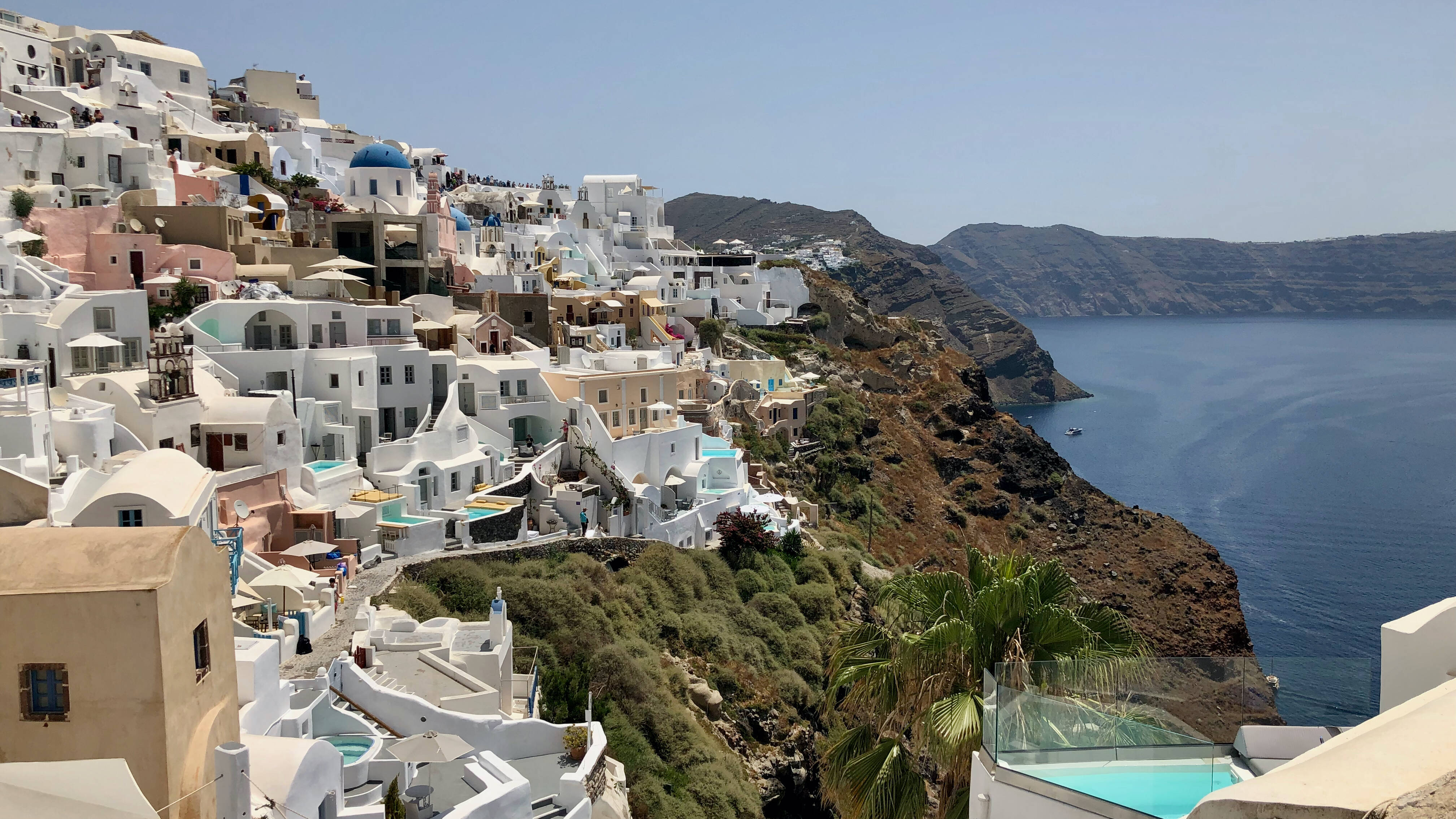
 Can you spot my Kindle on Santorini? (Ron Charles/The Washington Post) | A few years ago, I accidentally left my Kindle at a bus stop on Santorini. I console myself by imagining that some Greek goddess is enjoying Madeline Miller's "Circe" and dozens of other titles stored on that e-reader. Alas, most old Kindles don't end up on an isle in the Aegean Sea. That's where Mark Isero comes in. About 11 years ago, Isero founded the Kindle Classroom Project, a nonprofit that cleans up donated e-readers and gives them to classrooms in the San Francisco area. So far, the group has put more than 2,600 Kindles in the hands of thousands of kids. (Amazon has provided tech help to the project; Amazon founder Jeff Bezos owns The Washington Post.) Isero thought of the idea when he noticed his ninth graders didn't have access to books because the school didn't have a library. His first step was to create a classroom library, but there weren't enough copies of the titles that kids wanted to read. In desperation, he handed out a couple of Kindles. "They thought it was great," Isero tells me, "because they could really just find any book that they wanted." The Kindle Classroom Project was born. The organization maintains a companion fund that purchases e-books that students request. Those titles remain permanently in the project's ever-growing e-book library. They're never lost, they never wear out, and they can be read by up to six people at once. "We found that students have really good taste in what's popular," Isero says. "And sure enough, once one student says, 'Hey, I want a book,' then their friends and other students at the school start reading it as well." Isero has no interest in replacing physical books, but he's noticed that e-readers are particularly effective with so-called "reluctant readers" in middle school. "They may have had years of shame as far as their reading level or what kinds of books that they like to read," he says. "Especially in those middle grades, they want to continue developing their own interest and passion and identity, but they may also want to have some safety." The Kindle provides a level of privacy that a physical book doesn't. Instant access may be the most important quality. But being able to increase the text size, access a built-in dictionary, employ the text-to-speech feature and use a special font designed for readers with dyslexia also makes the Kindle attractive for some students. Isero's group cleans the devices and restores their factory settings to scrub away the original owners' account information. If you'd like to donate a Kindle, follow the instructions here. Santorini is lovely, but for an old e-reader a classroom is paradise. "My Brilliant Friend" returns to HBO on Monday. The series, now in its third season, is adapted from the best-selling Neapolitan novels by Elena Ferrante, whoever that might be. (Privacy is essential for writers.) If you want some brilliant friends to watch the TV adaptation with you, you're in luck. McNally Jackson, the indie bookseller in New York, is hosting online discussions before each episode. These watch parties -- in partnership with HBO, Harper's magazine and Europa Editions, which publishes the Neapolitan novels in the U.S. -- will include director Daniele Luchetti, translator Ann Goldstein and a number of critics and fiction writers such as Elif Batuman, Stacey D'Erasmo and Merve Emre. You can join in for free, but you must register here. 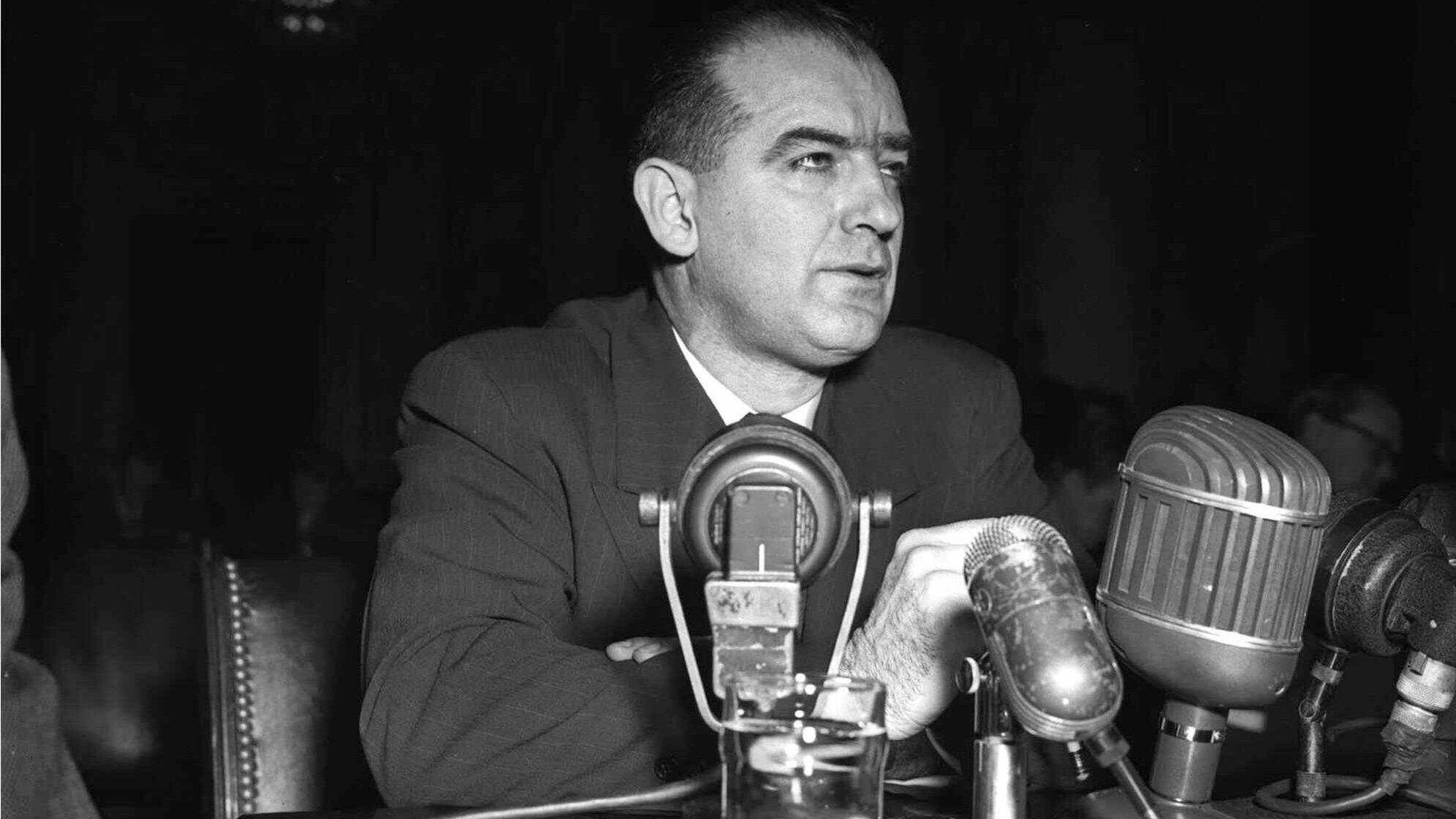 Sen. Joseph McCarthy (R-Wis.) testifies before a Senate Foreign Relations subcommittee that communists have infiltrated the State Department in 1950. (AP Photo/File) | Last week, I mentioned that my younger daughter had been studying for the New York State English Language Arts certification test to become a teacher. I provided these two sample questions: The literary device of personification is used in which example below? - "Beg me no beggary by soul or parents, whining dog!"
- "Happiness sped through the halls cajoling as it went."
- "O wind thy horn, thou proud fellow."
- "And that one talent which is death to hide."
Arthur Miller wrote "The Crucible" as a parallel to what 20th-century event? - Sen. McCarthy's House un-American Activities Committee Hearing
- The Cold War
- The fall of the Berlin Wall
- The Persian Gulf War
The answer to the first question is No. 2: Happiness is personified as a person running down the hall, encouraging others to be happy, too. The answer to the second question is No. 1. But several of you attentive readers told me that this is a faulty correct answer. The House Un-American Activities Committee (HUAC) -- which held many hearings, not just one -- was formed by the House of Representatives in 1938, while Joseph McCarthy served as a U.S. senator from 1947-1957. McCarthy and HUAC are closely related as pernicious elements of the mid-20th-century Red Scare that inspired playwright Arthur Miller, but the senator never served on the House committee. It would be nice for test guides to be accurate, but I suppose navigating such faulty material is good preparation for any future school teacher. What's more alarming, though, is how relevant Miller's play about the Salem witchcraft crisis has become for teachers working today. Republican governors are flaming national hysteria about subversive influences in our schools; they're banning books and setting up hotlines to report teachers who mention officially forbidden ideas. "'The Crucible' was an act of desperation," Miller wrote in the New Yorker in 1996. "I am not sure what 'The Crucible' is telling people now, but I know that its paranoid center is still pumping out the same darkly attractive warning that it did in the fifties." 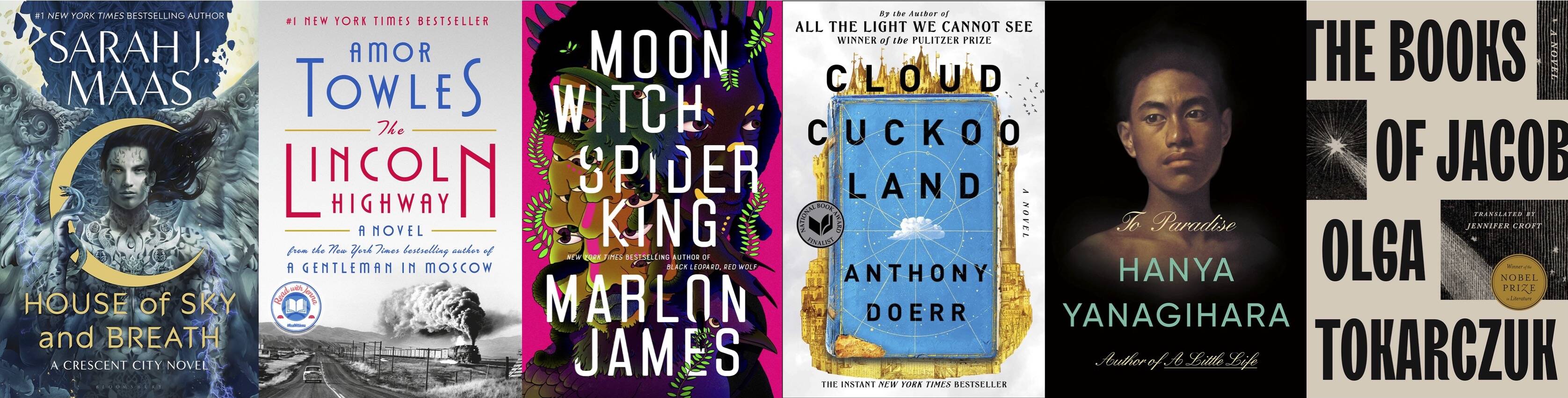 Giant novels weigh in on the best-seller list. (Bloomsbury; Viking; Riverhead; Scribner; Doubleday; Riverhead) | If you read books for a living, you're constantly counting pages, calculating and recalibrating. Just as professional stock traders always know exactly where they are in the market, I always know exactly where I am in a book. And even after all these years, I still have trouble reading more than 150 pages a day, so a long novel changes my work week dramatically. I like big books and I cannot lie. Apparently, I'm not alone. For years, shrinking attention spans have been a subject of concern, but The Washington Post's hardcover fiction best-seller list tells a different story -- or at least a different story about people who still buy books. This week, the average length of the top five hardback novels is 600 pages. Look further down the list, and you'll see Hanya Yanagihara's "To Paradise" at 720 pages and Olga Tokarczuk's "The Books of Jacob" at a crushing 992 pages (rave). There's surprisingly little research on how reading speed or the time spent reading affects one's experience with a novel. But it seems to me that it must be a significant determinant, no? When I'm struggling with a long, convoluted story, I wonder how someone reading 15 pages a night before bed ever manages to follow what's happening. But it's more than just comprehension. Compare watching a play in one evening to watching scenes of a play over 30 days. Surely, those are distinct aesthetic experiences. No answers here; I'm just thinking aloud. Meanwhile, if you'd like to tackle "The Books of Jacob" about the real-life 18th-century Polish mystic Jacob Frank, consult the Olga Tokarczuk Books Calculator. It's a simple web tool created by Polish bookworms Maria Kluziak and Julia Żuławińska. Just enter a little information about how much time you've got and how quickly you read. The Tokarczuk Books Calculator will instantly suggest which of the Nobel Laureate's books you should start with and when you'll finish. Then all you have to do is begin reading. Easy peasy. 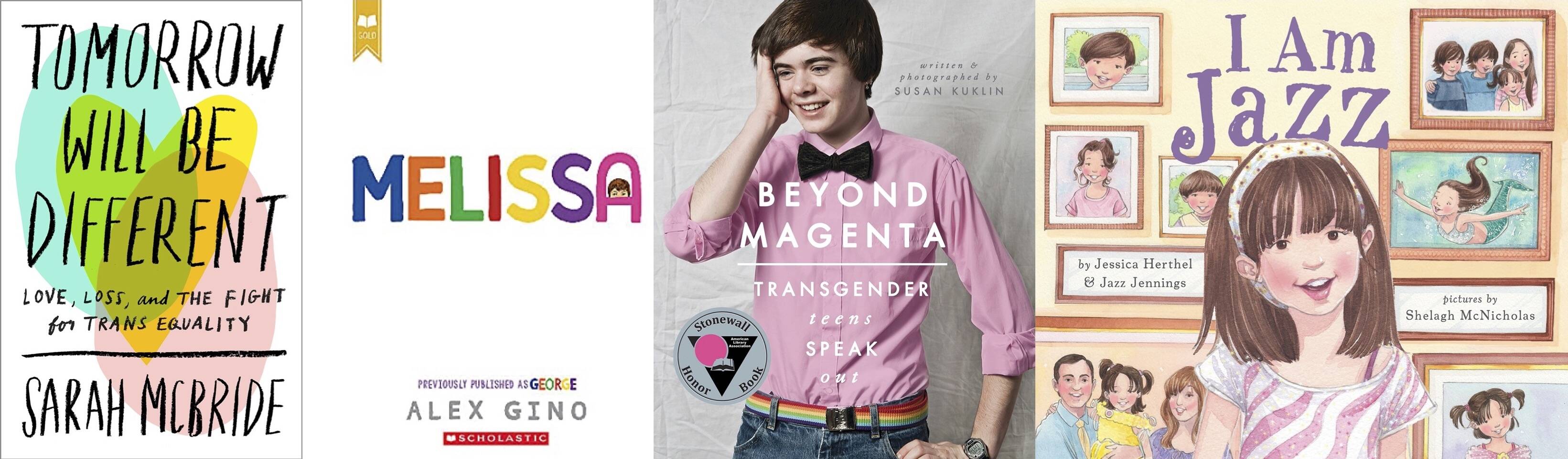 (Crown Archetype; Scholastic Press; Candlewick; Dial Books) | Everything's bigger in Texas – even the book banning. Last year, politicians in the Lone Star State began scouring schools and public libraries to root out "pornography," by which they mean any book that deviates from the state's heteronormative standard of acceptable identity. On the hit-list were titles like Sarah McBride's memoir, "Tomorrow Will Be Different: Love, Loss, and the Fight for Trans Equality"; "Melissa," by Alex Gino; "Beyond Magenta: Transgender Teens Speak Out," by Susan Kuklin; and "I Am Jazz," a picture book by Jessica Herthel and Jazz Jennings, illustrated by Shelagh McNicholas. (I read the country's 10 most challenged books. The gay penguins did not corrupt me.) With grim predictability, Texas Gov. Greg Abbott (R) has now moved from condemning transgender books to condemning transgender people. On Tuesday, Abbott issued an encyclical that directs state agencies to investigate gender-affirming care for transgender youths as "child abuse." In an effort to identify and track transgender adolescents, Abbott noted that doctors, nurses and teachers could be subjected to "criminal penalties" if they don't play along with his effort to weaponize state surveillance (story). Such vicious intolerance festers in a culture of ignorance, which is one reason it's so important to keep good books available. Deborah Caldwell-Stone, who directs the Office for Intellectual Freedom at the American Library Association, notes that it's also a matter of fundamental fairness. "There are transgender children attending schools," she says. "There are students in the school who may have transgender relatives, even transgender parents, or who have friends who are addressing the issues around gender identity, and they deserve to have their lives reflected in the collections of a public school library and a public library." What's happening to books -- and now people -- in Texas should make us remember what queer writer Malinda Lo said last November when she accepted the National Book Award for Young People's Literature: "Don't let them erase us." Perspective ● By Ricki Ginsberg and Kellee Moye ● Read more » | | |  (Courtesy of National Education Association) | Parents and teachers, mark your calendars: Read Across America Day is March 2. This annual celebration, sponsored by the National Education Association, is designed to encourage kids of all ages to appreciate the joys of reading. The NEA website offers lots of suggested activities. For instance, you could set up a "book tasting" to let kids browse titles they might enjoy, or you could design a "book scavenger hunt" to lead kids from one title to another (more ideas). Reading Is Fundamental, the nonprofit that has donated more than 420 million books to children, will participate in Read Across America Day by offering a free webcast that features Sandra Boynton, Chelsea Clinton, Monica Brown and other storytellers, poets and illustrations (watch). And here are two literary offerings for grown-up bookworms: - Tonight: LitFest, the annual literary festival at Amherst College, presents a conversation with novelists Katie Kitamura and Elizabeth McCracken, co-hosted by the National Book Foundation. On Sunday, you can hear a discussion about voting rights and the future of democracy with the Atlantic magazine's Vann Newkirk, David Graham and Cullen Murphy. These events are free, but you must register (full schedule).
- Tonight: Day Eight, a Washington-area arts organization, continues its conference on "The Crisis in Book Review" with talks by Joyce Carol Oates, Brian Broome, Russell Jacoby and Jennifer Harlan. (Book World Editor Stephanie Merry and I are offering book review workshops in person Saturday morning, but our classes are full.) Saturday evening's discussion will feature Marita Golden, E. Ethelbert Miller, Teri Ellen Cross Davis and Gwydion Suilebhan. The talks are free, but to attend via Zoom, you must register (full schedule).
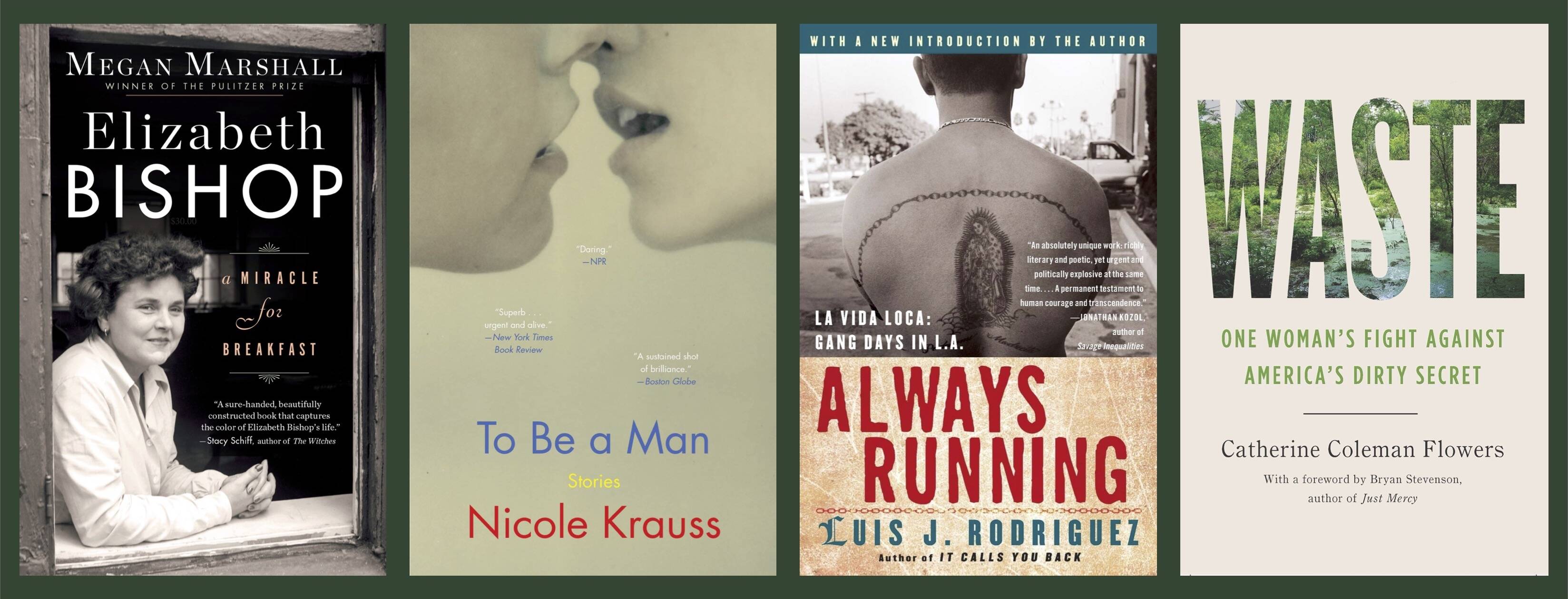 (Mariner Books; Harper Perennial; Atria Books; the New Press) | Recent literary awards and honors: - Megan Marshall won the BIO Award, an annual honor given by the Biographers International Organization to a writer "who has made major contributions to the advancement of the art and craft of biography." Marshall is the author of "Elizabeth Bishop: A Miracle for Breakfast," "The Peabody Sisters: Three Women Who Ignited American Romanticism," and "Margaret Fuller: A New American Life."
- Nicole Krauss won the Wingate Literary Prize in London for her story collection, "To Be a Man" (rave). The award, worth about $5,400, honors "the best book, fiction or nonfiction, to translate the idea of Jewishness to the general reader."
- Luis J. Rodriguez was named winner of the Robert Kirsch Award for lifetime achievement. The honor is given by the Los Angeles Times to "an author with a substantial connection to the American West whose contribution to American letters deserves special recognition." More awards will be announced during the Los Angeles Times Festival of Books at the University of Southern California on April 23-24.
- "Waste: One Woman's Fight Against America's Dirty Secret," by Catherine Coleman Flowers (profile), won a Phillip D. Reed Environmental Writing Award. The prize, conferred by the Southern Environmental Law Center, honors a nonfiction book that "achieves both literary excellence and offers extraordinary insight into the South's natural treasures and environmental challenges." Flowers will accept the award during the Virginia Festival of the Book, March 16-20.
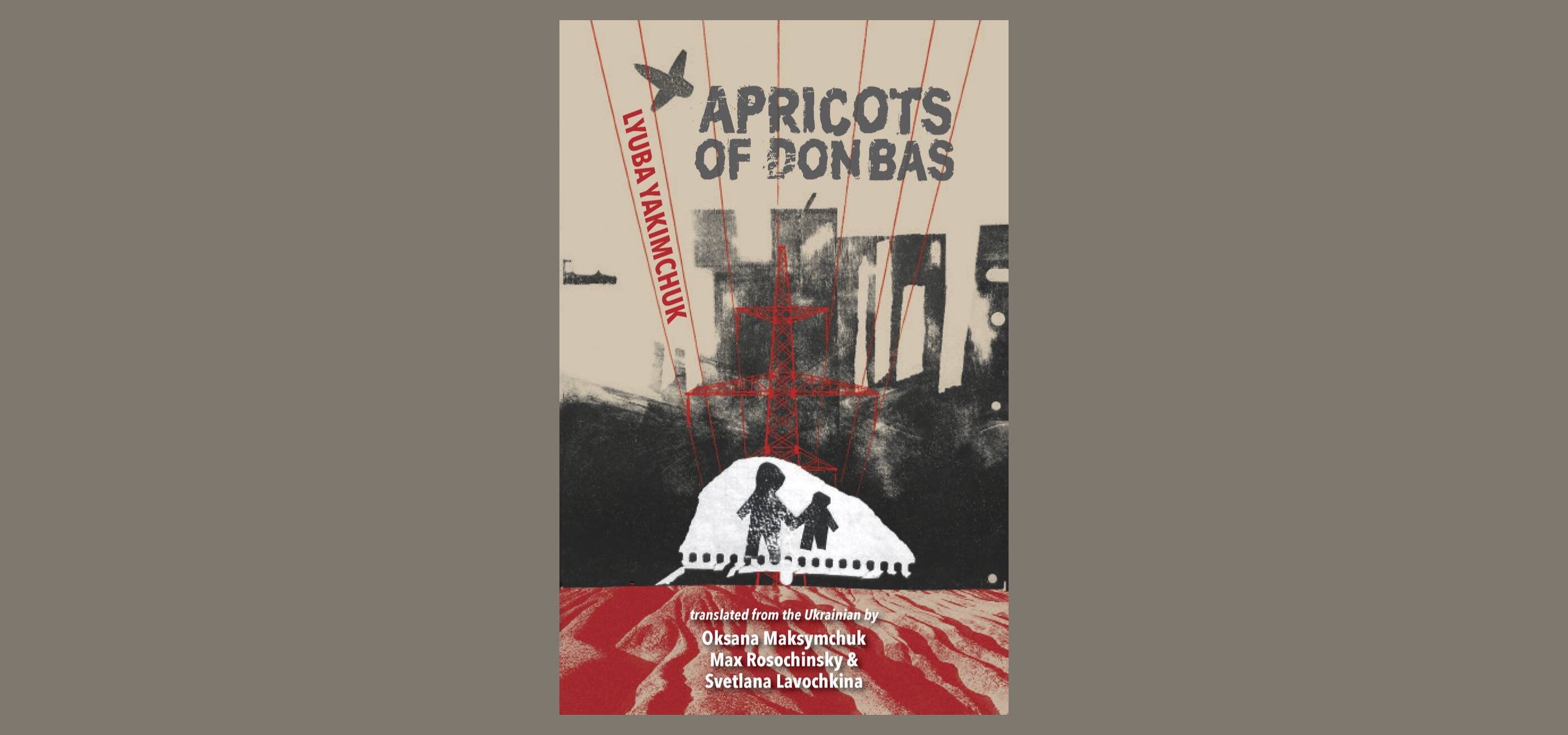 Lost Horse Press | Images of Vladimir Putin's barbaric attack on Ukraine have appalled the world (update). But obscured beneath the smoke of war is an imperiled culture. Since 2017, a nonprofit in Idaho called Lost Horse Press has been issuing volumes of its Contemporary Ukrainian Poetry Series, which offers a unique window on Ukrainian art and life. Last year, Lost Horse published "Apricots of Donbas," written by Lyuba Yakimchuk, a Ukrainian poet, screenwriter and spoken word performer. Now in her mid 30s, Yakimchuk knows war firsthand. In a harrowing introduction to this collection, she describes how her family was forced to flee from the Donbas region in 2014 when it was attacked by pro-Russian separatists. In their own introduction, the translators add, "Yakimchuk's poems reflect a perspective of a civilian witnessing the descent of her familiar surroundings into a state of chaos, struggling to maintain her balance as she attempts to make sense of the changes she observes." Yesterday afternoon I spoke with the poetry series editor, Grace Mahoney, who spent several years studying in Ukraine. She choked back tears trying to convey her horror at what her friends and colleagues are enduring under Russia's assault. She and I agreed that this poem by Yakimchuk is a poignant choice for the week. prayer Our Father, who art in heaven
of the full moon
and the hollow sun shield from death my parents
whose house stands in the line of fire
and who won't abandon it
like a tomb shield my husband
on the other side of war
as if on the other side of a river
pointing his gun at a breast
he used to kiss I carry on me this bulletproof vest
and cannot take it off
it clings to me like a skin I carry inside me his child
and cannot force it out
for he owns my body through it I carry within me a Motherland
and cannot puke it out
for it circulates like blood
through my heart Our daily bread give to the hungry
and let them stop devouring one another our light give to the deceived
and let them gain clarity and forgive us our destroyed cities
even though we do not forgive for them our enemies and lead us not into temptation
to go down with this rotting world
but deliver us from an evil
to get rid of the burden of a Motherland—
heavy and hardly useful shield from me
my husband, my parents
my child and my Motherland From "Apricots of Donbas," by Lyuba Yakimchuk, translated by Oksana Maksymchuk, Max Rosochinsky and Svetlana Lavochkina (Lost Horse Press, 2021). Used with permission of the publisher. 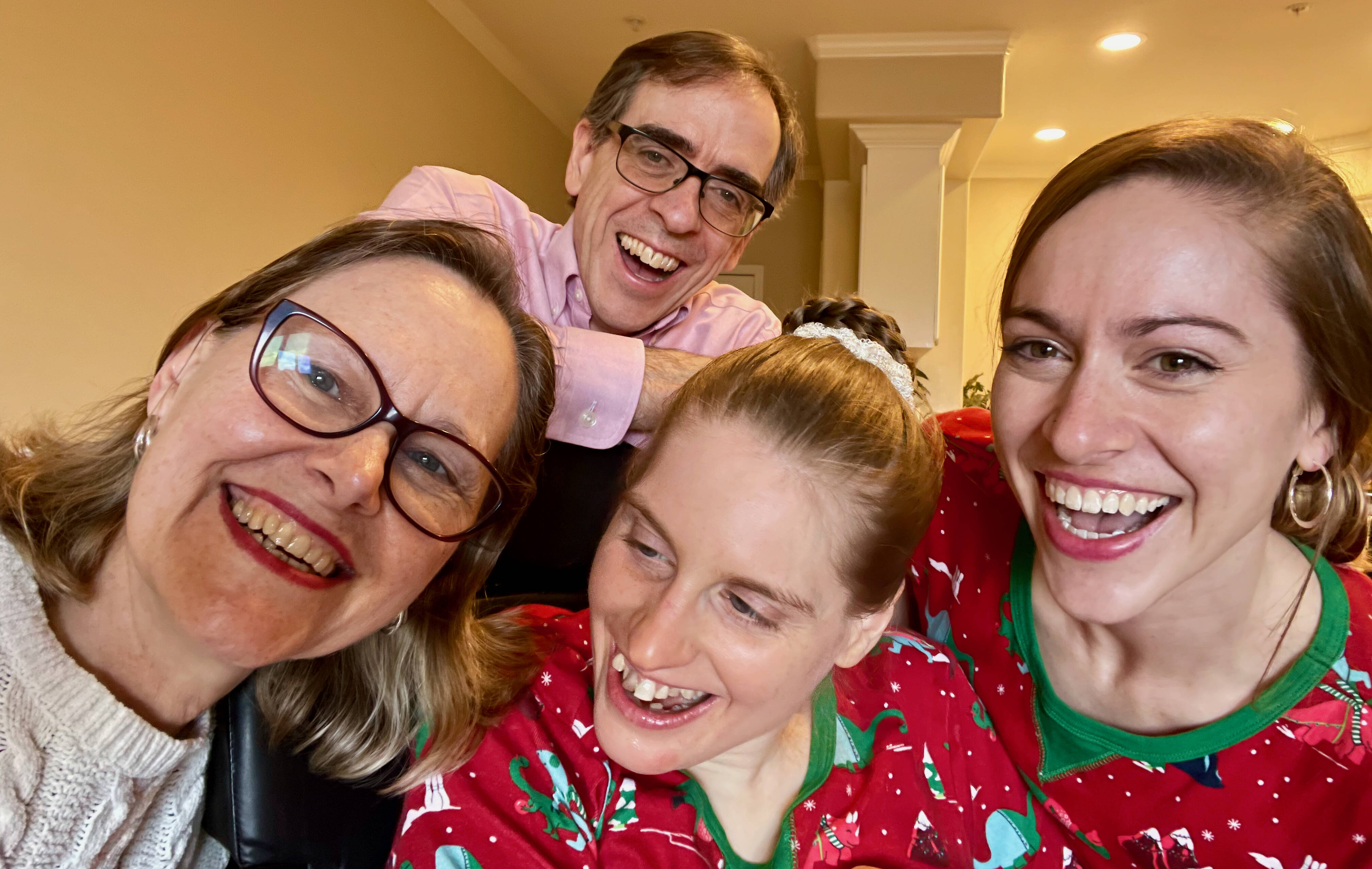 The Charleses celebrating Christmas on Presidents Day in Santa Clara, Calif. (Ron Charles/The Washington Post) | In late December, the Omicron variant spooked us out of flying to California to see our elder daughter. So we went for Presidents Day instead. (Knowing we'd missed spending the holidays together, our Airbnb host upgraded us to a gorgeous condo at no extra charge, which makes me a little verklempt.) The weather in the Bay Area was chilly, but we didn't mind. It was just nice to spend a few days enjoying meals and books together. We're all particularly fond of "The Cat in the Hat" and "George and Martha." Like family, the classics never go out of style. Meanwhile, if you have any questions or comments about our book coverage, write to ron.charles@washpost.com. You can read last week's issue here. Your friends who might enjoy this free newsletter can subscribe by clicking here.
Interested in advertising in this bookish newsletter? Contact Michael King at michael.king@washpost.com. |





 Email
Email 



0 Comments:
Post a Comment