| This year started with an attempted coup and ended with Democrats struggling to deliver on their legislative agenda (but bragging about Christmas presents arriving on time). And covid-19. Always covid-19. Here are the six biggest political stories of 2021. What do you think should be on the list? 1. Jan. 6 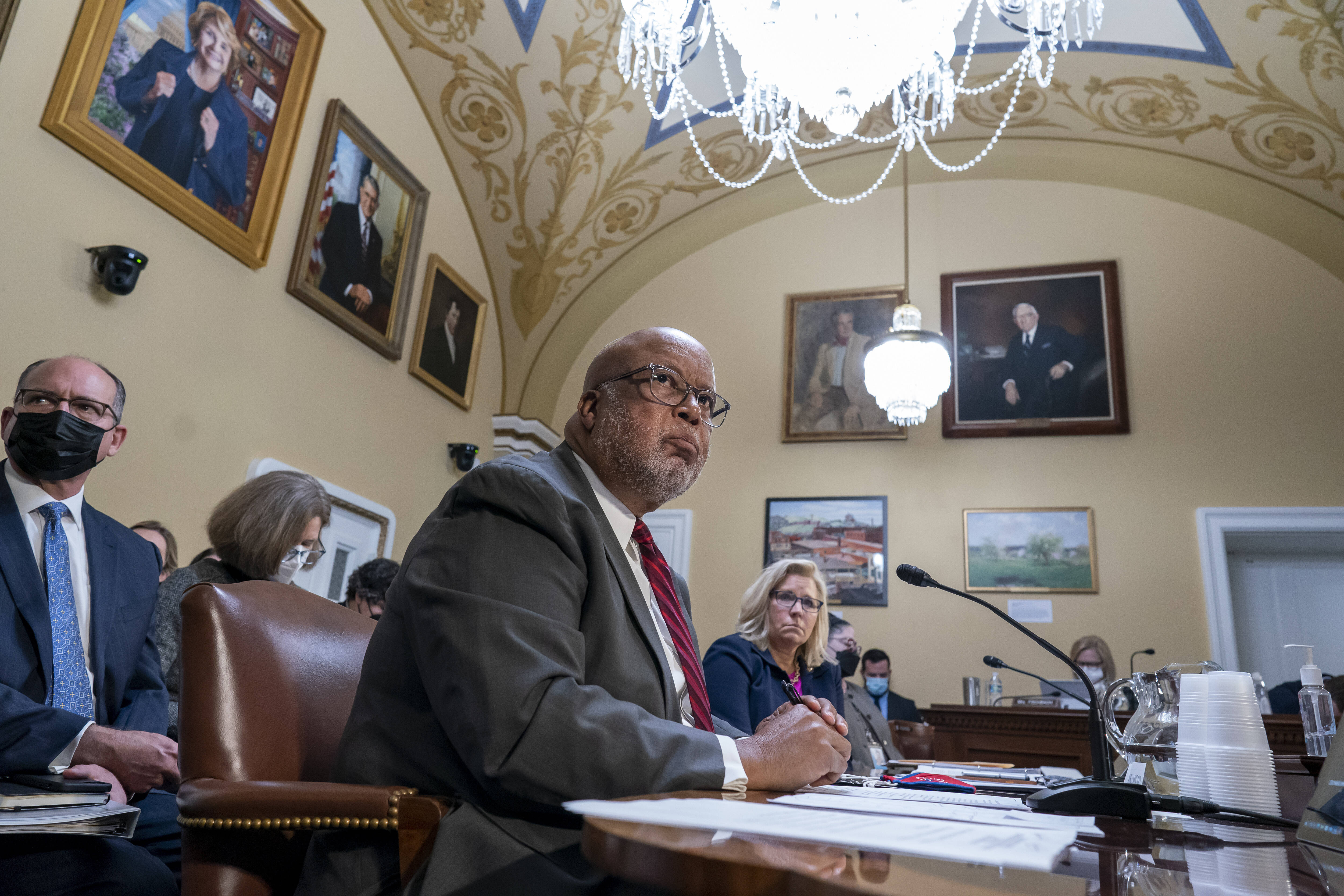 Chairman Bennie G. Thompson (D-Miss.) and Vice Chair Liz Cheney (R-Wyo.) of the House Jan. 6 committee. (J. Scott Applewhite/AP) | This isn't just the biggest political event of 2021. It's the biggest political event of the decade, and it probably belongs in the first paragraph of America's entire history. The fallout from the attempted insurrection continues. The Jan. 6 House committee, led largely by Democrats, has interviewed hundreds of Trump allies and aides, is tracking down members of Congress who may have been involved, is threatening jail time for those who won't talk, and is zeroing in on what role the president of the United States played in this insurrection. Their work has turned a skeptic, Senate Minority Leader Mitch McConnell (R-Ky.), into a cheerleader. Meanwhile, prosecutions of those involved in the Capitol insurrection continue. It's one of the largest criminal investigations in American history; the Justice Department says 675 people from all 50 states have been arrested, most of them on low-level charges. 2. The end of the Afghanistan war  A boy flies a kite in Kabul on Dec. 4. (Petros Giannakouris/AP) | Come hell or high water, President Biden was determined to be the first president to actually end fighting in Afghanistan, America's longest war. He did it this summer, but at great political risk. Ending the war was simultaneously popular — Americans turned on it long ago — and very controversial. The Taliban took over in a matter of days, stranding Afghans and Americans in heartbreaking images. Biden had insisted exactly that wouldn't happen, and Republicans seized on the mess to puncture his veneer as a leader who would restore competency to the White House. This is when Biden's honeymoon ended with American voters, and his polling has not recovered. 3. The beginning of the end of abortion protections There is no national law protecting a woman's right to an abortion. It's up to the states to decide. And Texas achieved the holy grail in conservative politics: They found a way to ban almost all abortions in the state, and they found allies in a very conservative Supreme Court (thanks to Donald Trump) to keep the law in place for now. The Supreme Court also heard a case on an abortion restriction law in Mississippi, and it seems possible that next summer, the court might roll back 50 years of protections for abortion in the first half or so of pregnancy, if not overturn Roe v. Wade outright. That could make abortion illegal in as many as half of states. 4. GOP winning big in November elections 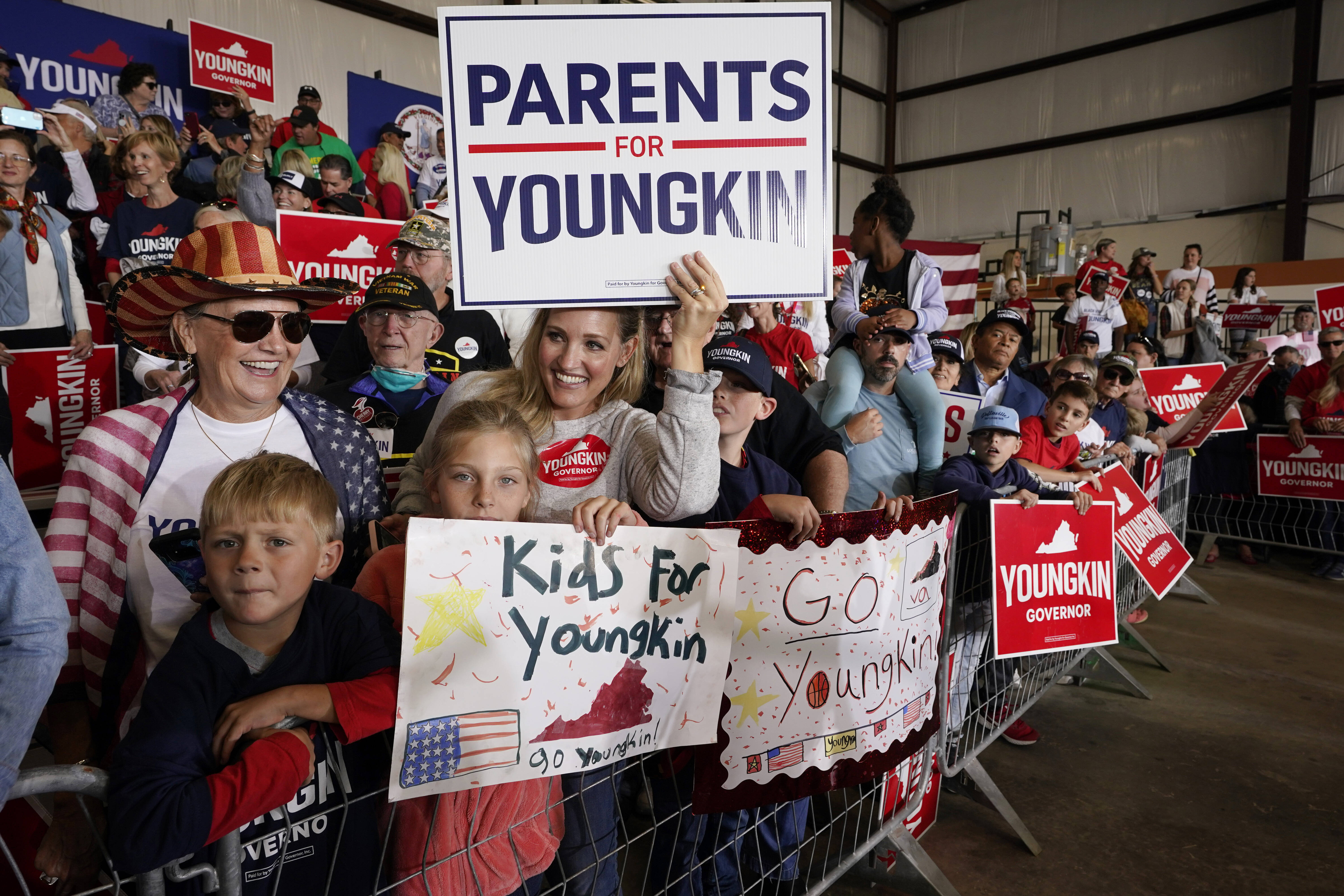 Supporters of Republican Glenn Youngkin cheer in Virginia. (Steve Helber/AP) | More bad news for Democrats came this fall when they lost the governor's mansion in Virginia, two other statewide races there plus the majority in the House of Delegates, almost lost the governor's mansion in New Jersey — and a Republican truck driver unseated the No. 2 Democrat in New Jersey. Why? Republicans aggressively and successfully pushed culture war battles like race teachings in schools, voters seemed pessimistic about the economy and the pandemic, and Democrats didn't receive much credit for helping people hobble through it. In Virginia, they also took heat for closing schools for so long. These two state elections have been pretty good harbingers of how a party will perform in the following year's midterm elections. Next year, Democrats will be trying to keep their tenuous hold on Congress. 5. The fight over vaccines, masks and mandates 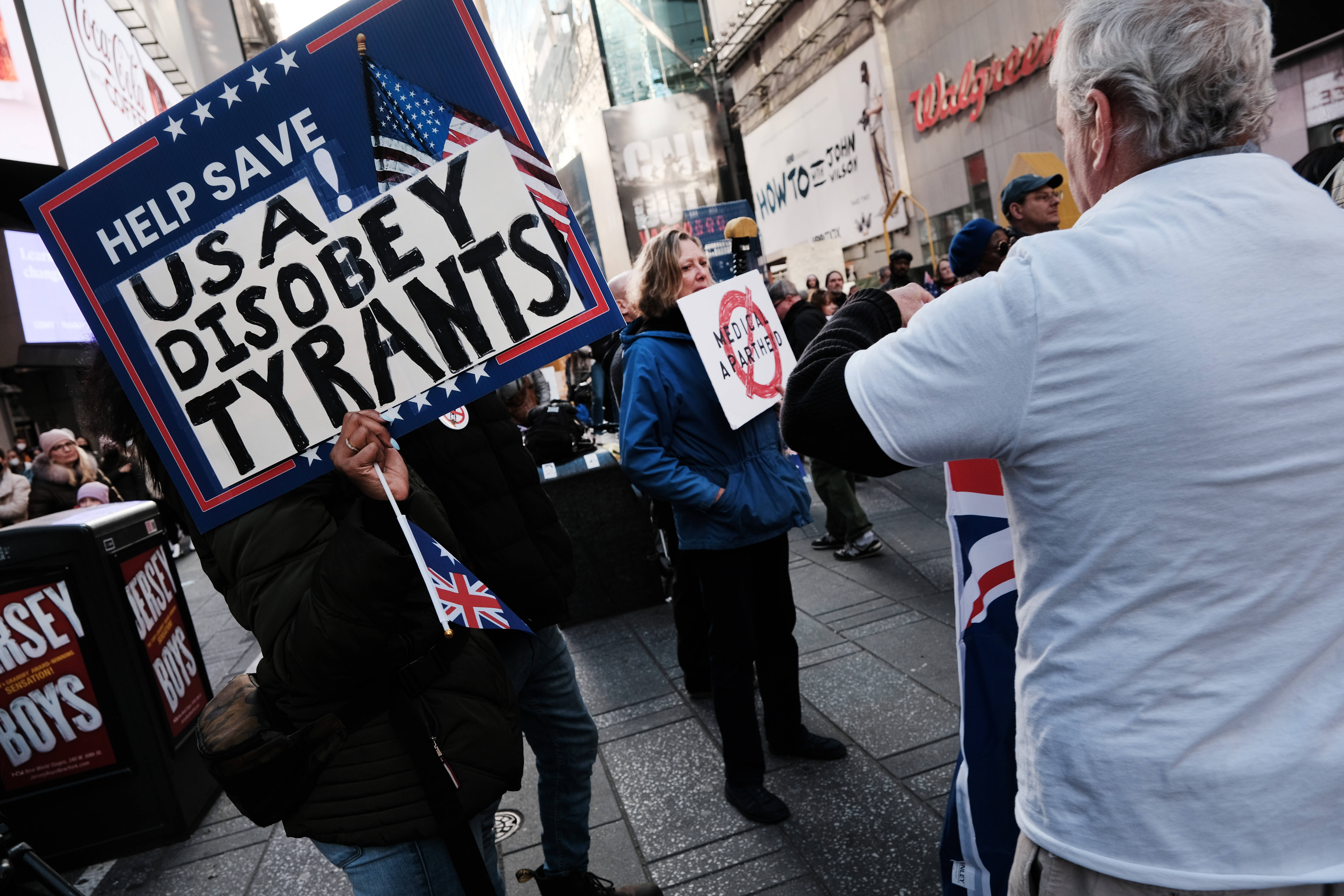 An anti-vaccine rally in New York City in December. (Spencer Platt/Getty Images) | If you're a Republican, you're significantly less likely to wear a mask, be vaccinated and support coronavirus safety protections like vaccine and testing requirements than Democrats. These political battles over public health have been perpetuated by Republican governors (who want to run for president) in states like Florida and California. But the year ends with Biden successfully getting most of the federal workforce and military vaccinated and requiring most American workers to be vaccinated or face weekly testing. "I know vaccination requirements are unpopular for many," Biden said Tuesday. "They're not even popular for those who are anxious to get them. But my administration has put them in place not to control your life, but to save your life and the lives of others." 6. Joe Manchin sinking Democrats' Build Back Better plan (but Congress getting infrastructure done) When Democrats lost big in Virginia, their anxiety was assuaged only by the hope that they'd soon pass a historic expansion of the government safety net, address climate change and spend billions to rebuild America's infrastructure. They only got that last part done, with the help of some Republicans. Most of Biden's other campaign promises have yet to be fulfilled, and his spending agenda is as far away as ever from passing after Sen. Joe Manchin (D-W.Va.) — arguably the most powerful Democrat in America right now — said he wouldn't support it. Biden maintains they'll get something done. Failure is not an option for Democrats who need something fresh to campaign on next year. But what? And when? Those are questions for 2022. | 





 Email
Email 


0 Comments:
Post a Comment