| Long ago, your workweek ended once you left the office — or so I have been told. But work culture has changed a lot in the past decade. Technology has ended the physical barriers protecting a workweek, and we're always reachable and we're always exhausted. We should be able to sign off and feel better about doing it. Welcome to Day 5 of A Better Week. In competitive industries, there is often a built-in, implicit incentive to working long hours: demonstrating your value to your employer. Traditionally, that often meant putting in long hours at the office. But as work has shifted from physical to digital spaces, that can also mean being the first person to respond to the boss's email. That doesn't mean it's healthy — or as effective in the long term. "Work culture was so big before the pandemic, and it kind of showed us that it isn't the center of your universe," said Tiffany Shlain author of the book, "24/6: The Power of Unplugging One Day a Week." "Your own home and the people that you love need to be more your center of gravity — you will be healthier and you'll do better work," Shlain added. 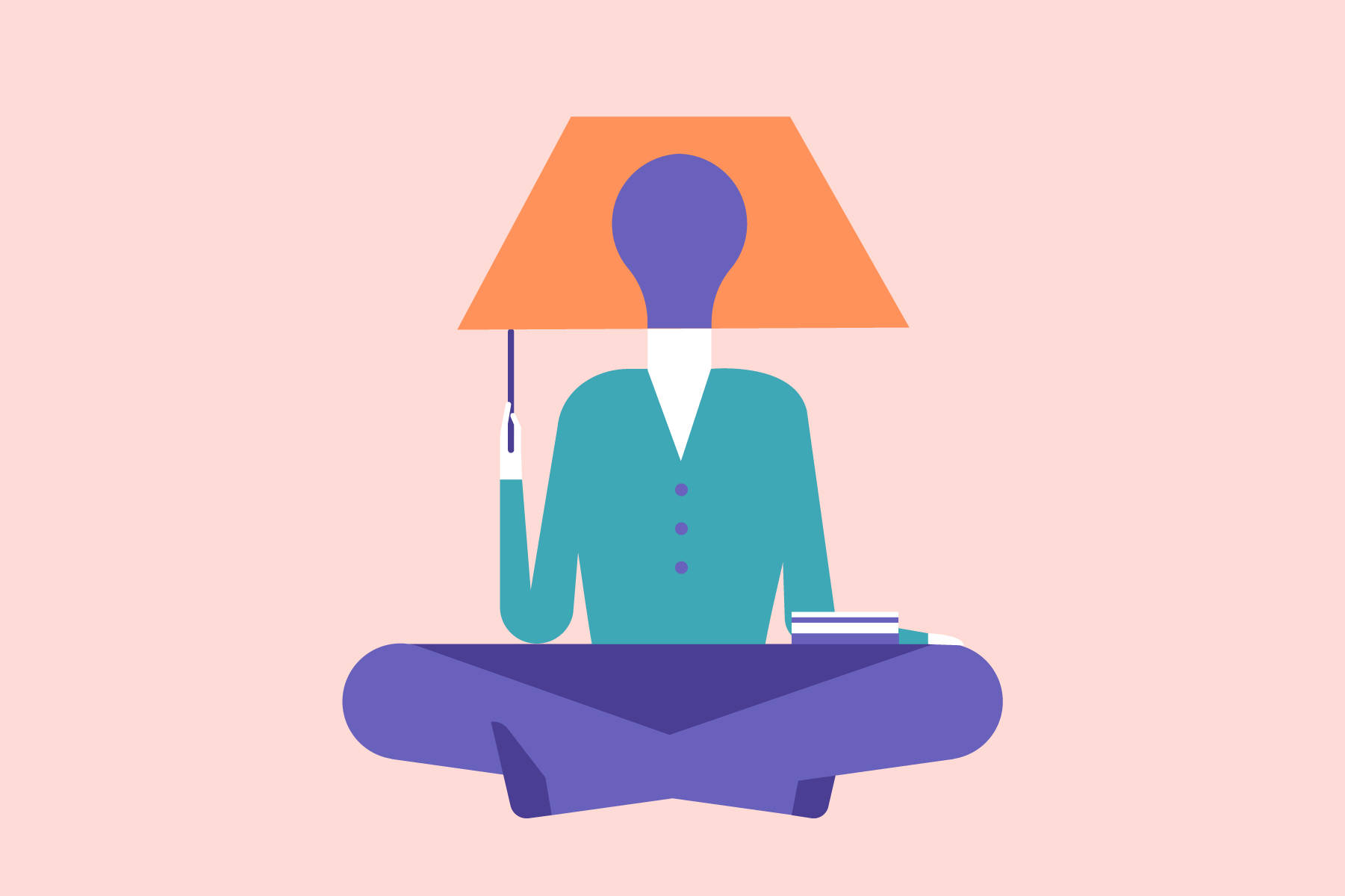 (Jennifer Tapias Derch for The Post) | A healthier balance doesn't mean you need to go totally offline — although there's a strong case to be made for doing that. But it is important to set firm boundaries around our time off. "People just need to learn to create more of their own boundaries in a world where they're not going to be automatically set for you," added Laura Vanderkam, an author of several time management books. If you find it difficult to stop checking your email at the end of the work day, Vanderkam recommends scheduling activities during the evening that require your full attention. "You're not going to be checking your email when you're on second base at a softball game," she added. If you can't fully log off from work during the weekend, or whenever your workweek ends, Vanderkdam suggests creating set times to check your email — she does it on Saturday mornings and Sunday nights — to free yourself from having to constantly check-in. You can also schedule an automatic out-of-office email during your time off and offer an alternative way for colleagues to reach you in case of a true emergency. You turn: Protect your weekend. Talk to your boss about how you like to be reached on weekends and set a plan for the specific times you'll be available. If you can't do this, or it isn't applicable to your job, try to limit your time after work talking about your job. It's worth considering whether you should initiate communication with a colleague outside of work hours. Does that email need to be sent on Friday night, or could you schedule it for Monday morning? This is particularly important for those in leadership positions. "I think that managers, in particular, need to be very, very careful about sending emails outside of business hours, because it's human nature to respond to your boss as quickly as possible," Vanderkam added. It's not just the technical work. I found that making a conscious effort to think and talk about work less often helped me create a firmer boundary between work and personal space. I tried to scale back my own work talk during a recent social gathering that included several colleagues. Within the first half-hour, we acknowledged work and put a moratorium on work talk. Instead, we pivoted to lighter topics — movies we had seen, restaurants we wanted to try, memes — and it was a welcomed break. I found the mental break to be much more reinvigorating than spending the majority of the evening still immersed dissecting work-related topics. Coming tomorrow: Taming the Sunday scaries | 





 Email
Email 



0 Comments:
Post a Comment