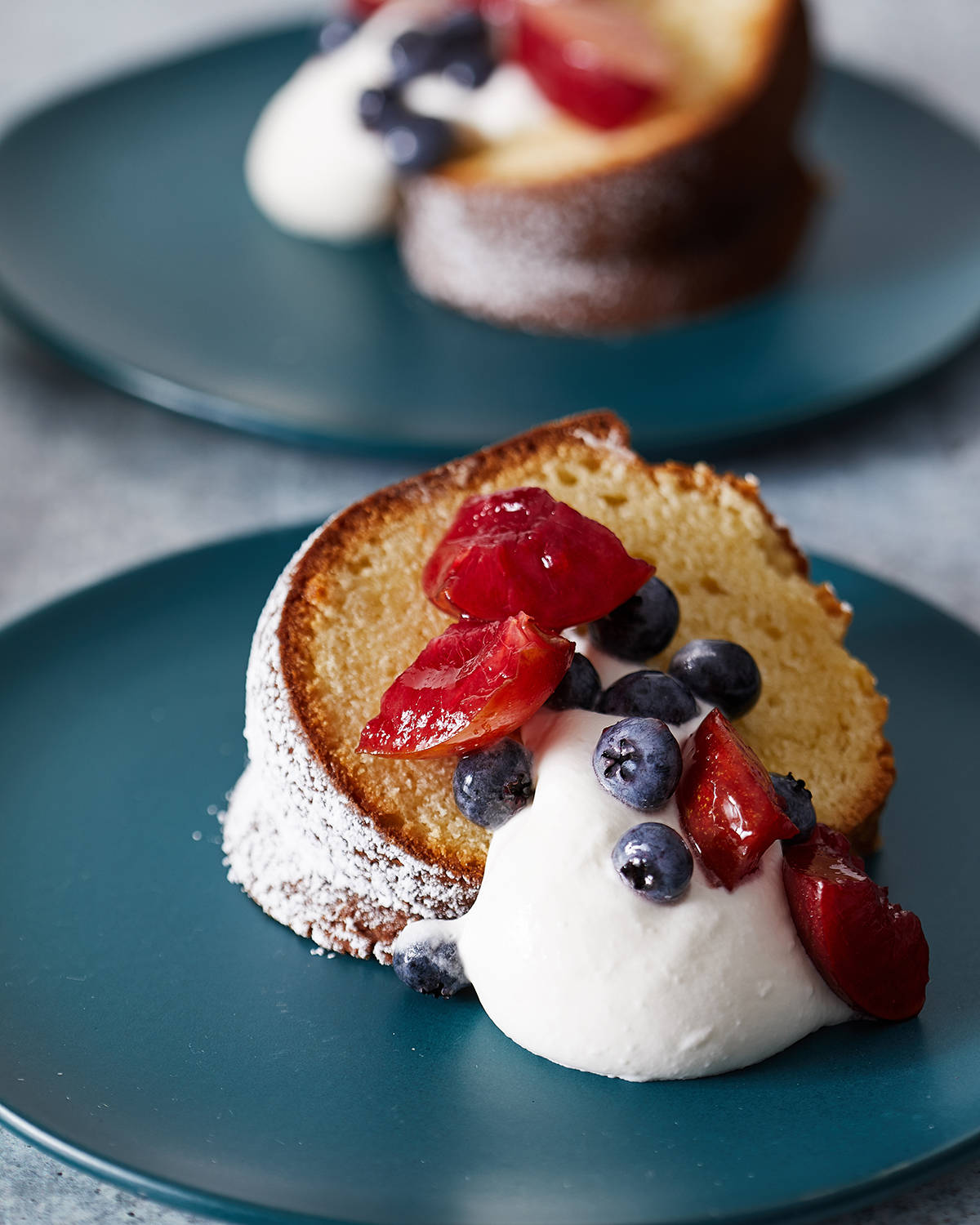
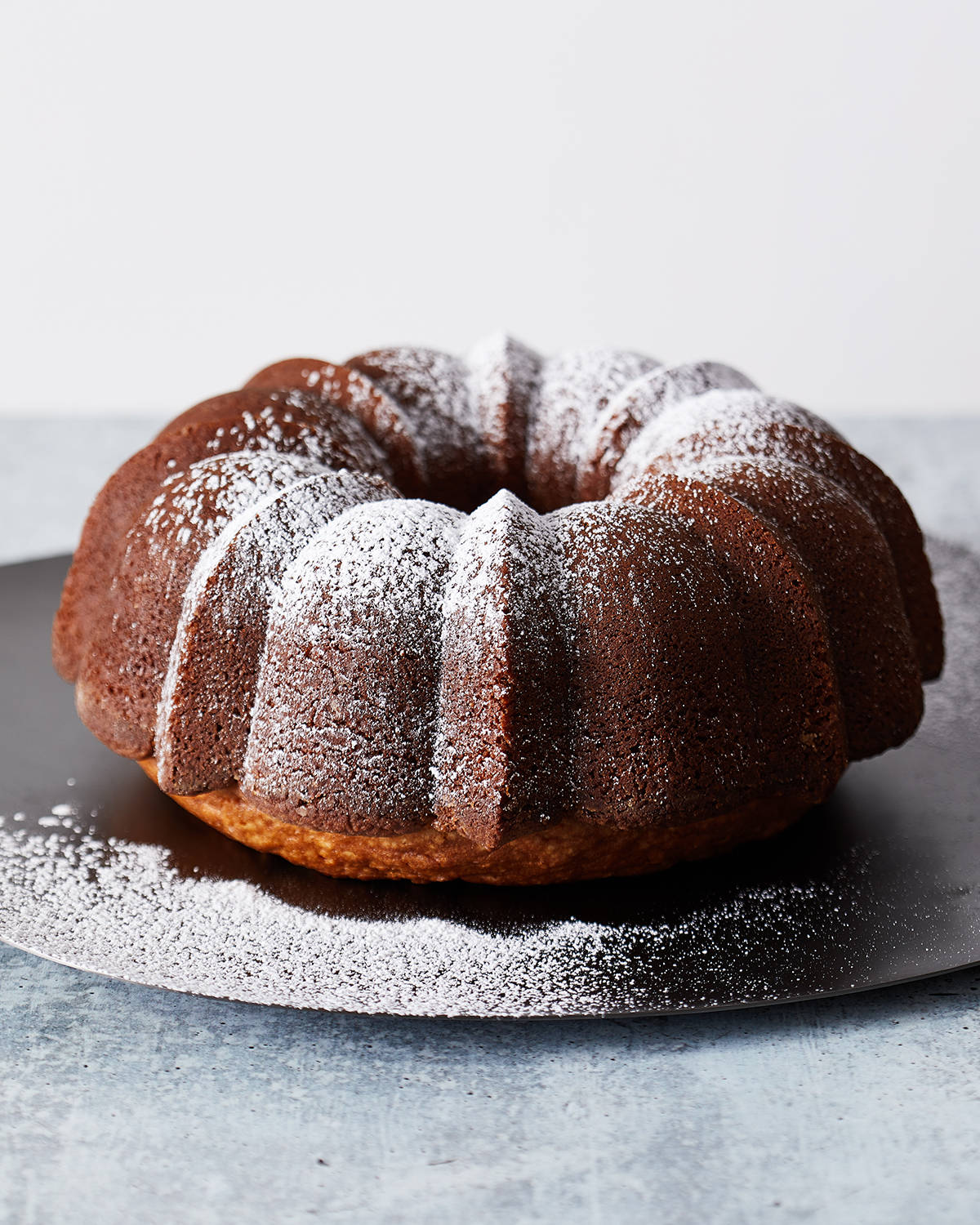
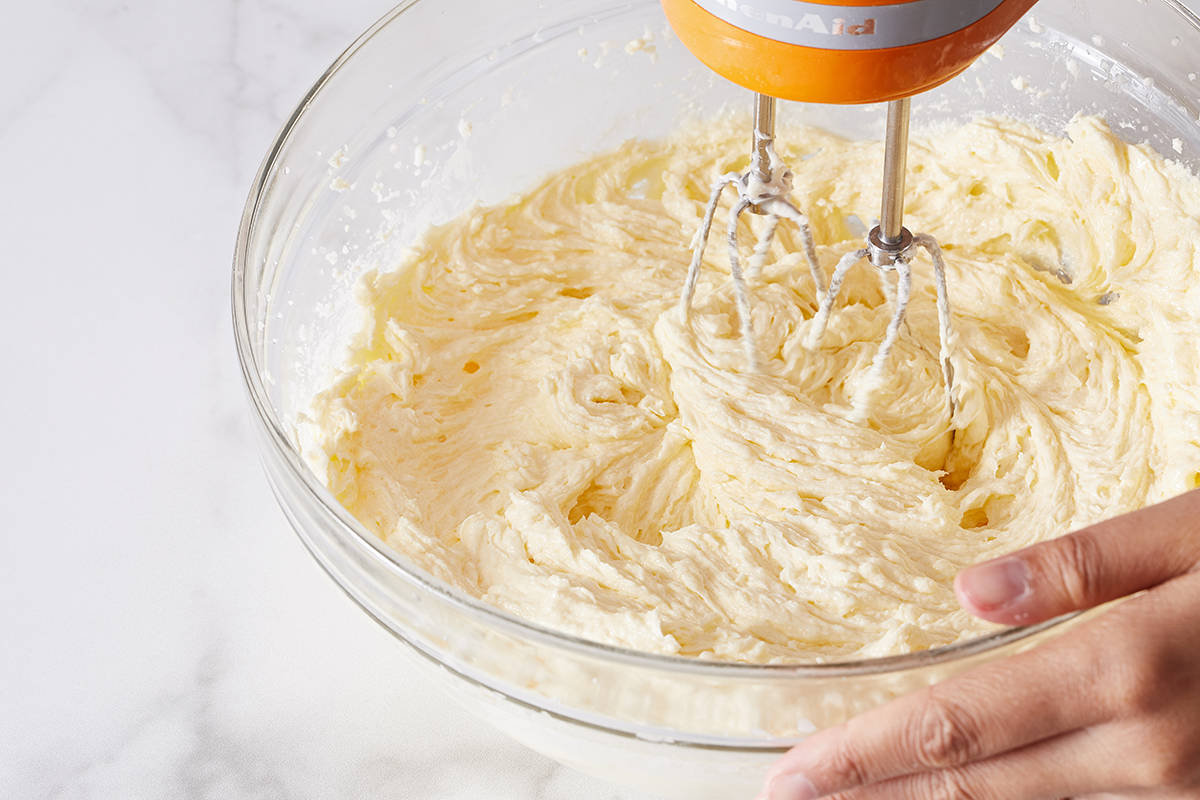
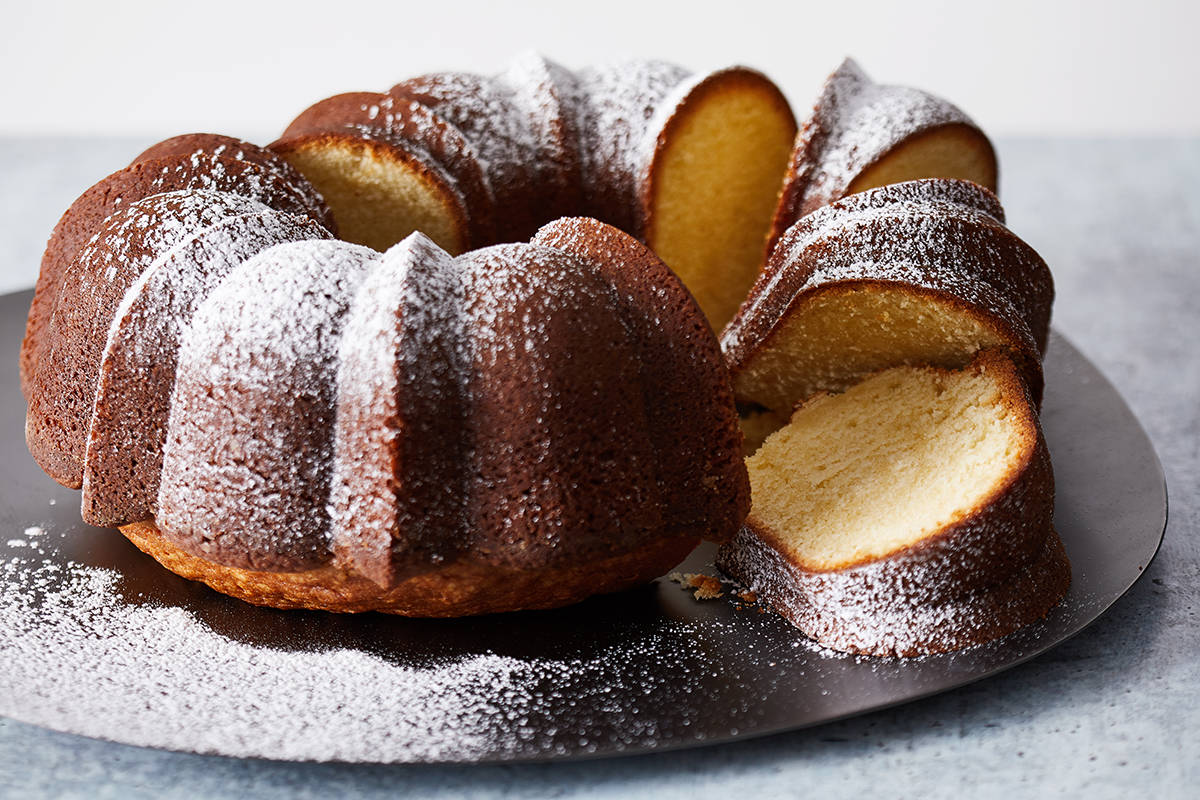
 (Photos by Tom McCorkle for The Washington Post; food styling by Lisa Cherkasky for The Washington Post) | Week 2: The path to pound cake perfection I'm here with a secret. More specifically, I'm here with our grandmothers' secret. Your grandmother's perfect pound cake recipe, the one she held in secrecy as the cake-making matriarch of the family? That was my grandmother's pound cake recipe, too. Our grandmothers' legendary cakes are — get this — all the same cake! Some grandmothers claim to have invented this pound cake, that it came to them in a dream or was a product of their undeniable kitchen wizardry. That may be true, but it's all basically the same recipe. One of our grandmothers surely invented this perfect cake, though my bets are on Marie Thomas Washington of North Carolina. It is possible this sacred cake recipe resembles that other sacred text, written by many, idolized by many more. You know just the cake I speak of. Baked in a Bundt pan, this cake, with its deep, evenly golden brown color around its sloped edges, likely graced the table at half of your family gatherings growing up. The crust is thick for a cake, though never burnt, and holds within it the most tender, buttery crumb. Dense but not heavy. Firm but somehow perfectly moist. Scented with almond or lemon, depending on the season. It's a wonder of a cake, and it stands within perfect reason that our grandmothers held the recipe close. There is power in being the sole source of cake magic. This week, we're building on the rule of time and temperature we learned last week and folding in our next baking rule: properly incorporate your ingredients. The order and method of incorporation helps each ingredient do its job. Though the pound cake recipe below is simple, no step is superfluous. There are a few moments in making this cake batter that may feel like you've gone sideways. But remember, baking requires patience and a little stick-to-itiveness. Perfect pound cake starts with creaming together butter and sugar. You've likely read this wording before in a baking recipe: creaming. While it mixes two ingredients together, the creaming process aerates the butter, which helps lift the cake in the oven. Creaming butter and sugar is a step beyond simply mixing the two ingredients together. The cue you're doing it right is visual. Here's what to look for: - The color of the butter will pale just slightly.
- The sugar granules will begin to smooth.
- The mixture will start to appear more fluffy, as though it could hold small peaks of fat within the bowl.
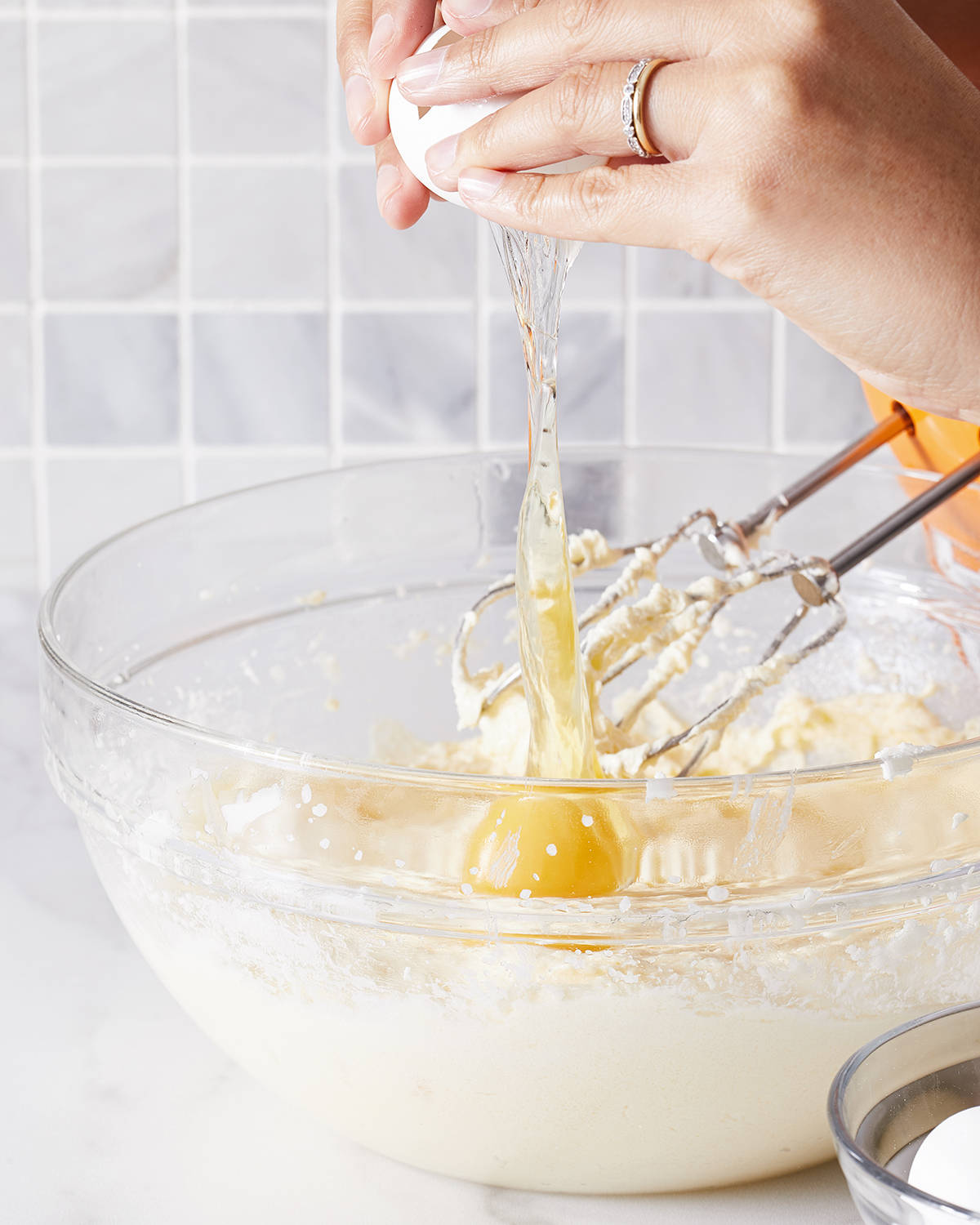
After we aerate the butter and sugar, we'll incorporate the eggs in a specific way: one by one, beating each egg for one minute. Giving time for each egg to incorporate will further aerate the batter, adding layers of aerated ingredients to give rise to this cake. You may notice after incorporating the last egg that the batter looks curdled: That's actually what we want to see! We just asked a lot of liquid to find its home in the butter and sugar — more than it could take on. But up next, we have flour to the rescue. Into the flour we'll whisk a small amount of baking powder and salt. It's a surprisingly small amount of leavening for the amount of fat and flour we have in this cake, which is why aerating the butter, sugar and each egg into the batter is so important — it adds lightness and volume to the cake. Every ingredient has a key role to play. Next, we'll incorporate the flour with the milk in alternating batches. Half of the dry ingredients followed by all of the milk, and then the remaining half of the flour mixture. Doing this in parts helps the ingredients assimilate, and ending with the dry ingredients ensures the liquid is well absorbed into the batter. We'll transfer the batter to a lovingly and meticulously greased and floured pan and set it off for a long bake, knowing our patient work will help a deeply golden, tender-crumbed cake emerge from the oven. Grandma will be proud (and wonder how her secret got out). Baking at altitude? Check out this handy guide with tips for making slight adjustments to achieve the results you're after.  | This week's toolbox | Here's what you'll need to nail this week's recipe: Bundt pan: For this pound cake, we'll use a traditionally ridged Bundt pan. I find that cakes are easier to release from the thin metal Bundt pans, though any well-greased and floured Bundt pan will be successful. Stand mixer or electric hand mixer: A mixer will ensure that the batter is well aerated to help it rise in the oven.  | Recipe | Grandmother's Pound CakeTo make this cake a success, keep a few things in mind. When incorporating ingredients, take note of the visual cues of this cake batter. You'll see it in the butter and sugar as the two fluff, and after the addition of each egg as the batter takes on a glossy and light consistency. It's critical to thoroughly grease a metal Bundt pan and dust it with flour, which will highlight any spots you might have missed while greasing. You really want to be sure to grease every nook and cranny. The recipe uses both butter and shortening, which traps air molecules as its creamed with the butter, sugar and eggs, helping to leaven the cake. The butter adds fat and flavor while the shortening helps keep the cake tender and moist for days. During baking, the cake requires at least 45 minutes of undisturbed time. That means no opening the oven door or shifting the cake from rack to rack. For easy printing and scaling, view this recipe on our website at washingtonpost.com/recipes. IngredientsMakes 1 (9-inch) Bundt cake
Prep time: 40 mins
Bake time: 1 hour 10 mins to 1 hour 20 mins 1/2 cup (93 grams) vegetable shortening, plus more for greasing the pan
3 cups (375 grams) all-purpose flour, plus more for dusting the pan
2 sticks (8 ounces/226 grams) unsalted butter, well softened
Scant 3 cups (580 grams) sugar
5 large eggs, at room temperature
2 teaspoons vanilla extract
A splash of almond or lemon extract (optional)
1 teaspoon kosher salt
3/4 teaspoon baking powder
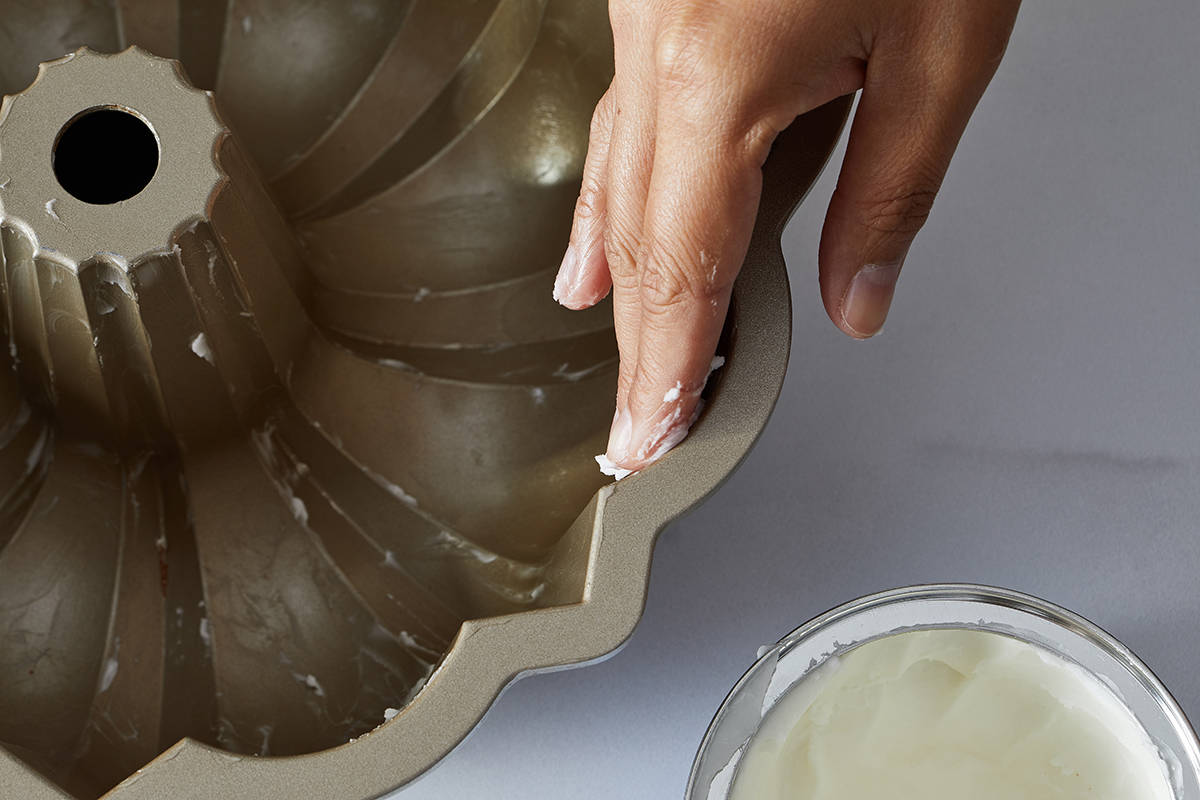
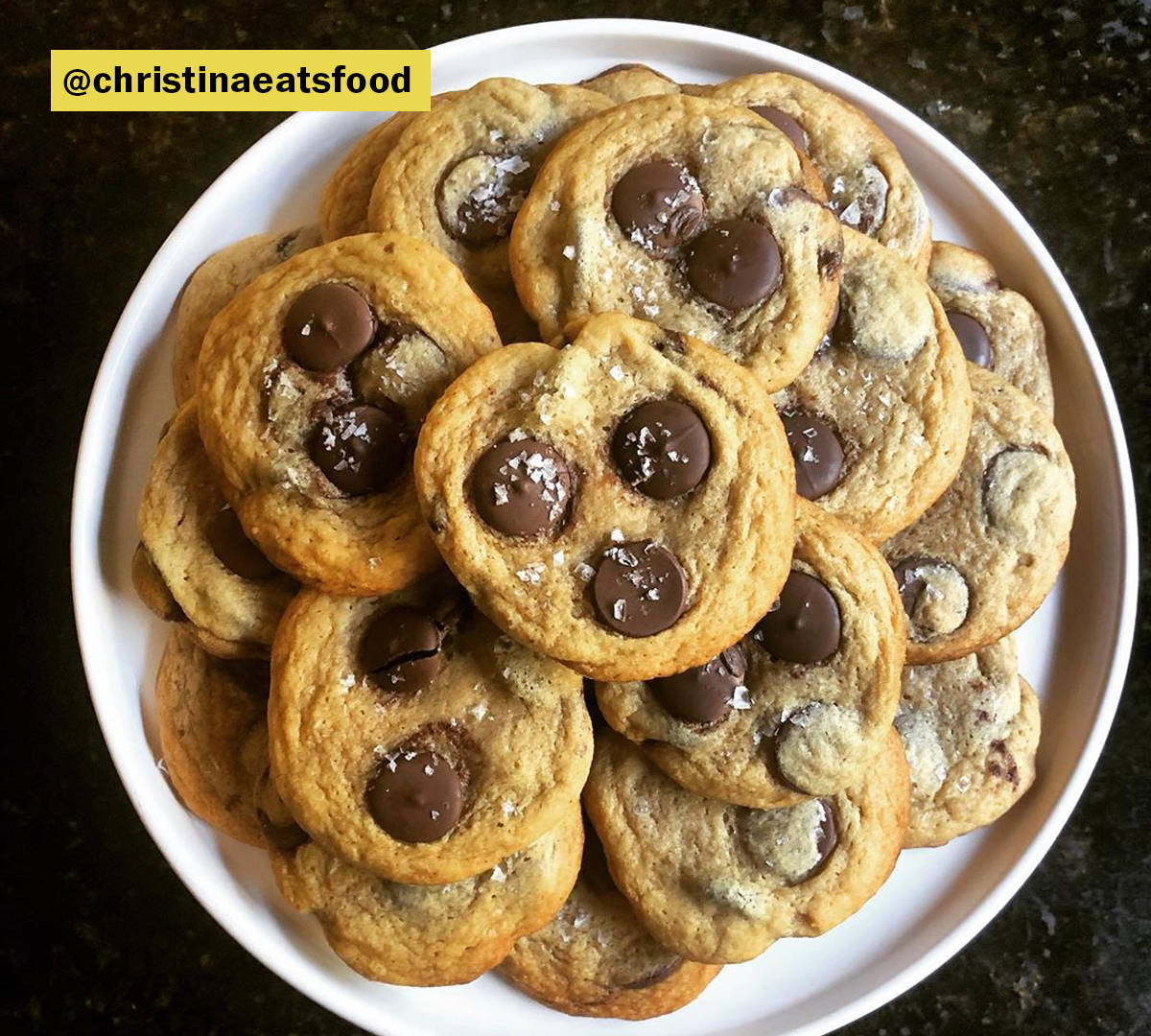
1 cup whole milk, at room temperature StepsPreheat the oven to 350 degrees; position the rack in the center of the oven. Thoroughly grease a Bundt pan with the shortening, getting into every nook to ensure that the cake releases perfectly from the pan after baking. Dust the pan with the flour and tap out any excess. Place the shortening in a large bowl and, using an electric hand mixer, beat the shortening until softened and spread around. Add the butter and sugar and beat together on low speed until the mixture begins to look fluffy, 3 to 5 minutes. (The mixture will seem grainy as it comes together.) Increase the speed to medium and beat the ingredients until well combined, some graininess has softened, and the texture feels more cohesive and fluffier, 3 to 5 minutes. With the mixer running, add the eggs, one at a time, beating for 1 minute between each addition. After the last egg, the batter may look slightly curdled. Beat in the vanilla extract and almond or lemon extract, if using. In a medium bowl, thoroughly whisk together the flour, salt and baking powder. Add half of the dry ingredients to the butter and egg mixture. Beat on low speed until just combined and a few flour streaks remain. With the mixer motor running, add the milk and beat until just combined. The mixture may appear curdled again. Add the remaining flour and beat until combined. Using a silicone spatula, scoop batter from the bottom and sides of the bowl to the top to incorporate any hidden pockets of flour. Using the hand mixer, beat on medium speed for 1 minute. Spoon the batter into the prepared pan and smooth the top. Bake for 1 hour and 10 minutes to 1 hour and 20 minutes, until the cake is golden brown, has risen, and has cracked across the top. Insert a toothpick to test the doneness of the cake; it should come out clean or with a few moist crumbs. If not, bake the cake for 5 more minutes and test again. Let the cake cool in the pan on a wire rack for 20 minutes. Run a butter knife around the edges and gently invert the cake onto a wire rack to cool completely. Store, wrapped, at room temperature for up to 5 days. Nutritional facts (per serving, based on 10): Calories: 650; Protein: 8 g; Carbohydrates: 88 g; Fat: 30 g; Saturated Fat: 17 g; Cholesterol: 160 mg; Sodium: 190 mg; Fiber: 1 g; Sugar: 59 g. Did you make the recipe?We want to see how your pound cake turned out! Be a star like Christina from Decatur, Ga., and share your Baking Basics creations with us on Instagram with #eatvoraciously. Next week: It's a pie party, people! Have a question about the recipe?Email us at voraciously@washpost.com or message @eatvoraciously on Instagram. If you're having trouble viewing or receiving this or other newsletters from the series, or have other email tech questions, drop us a note here. Visit Voraciously.com for recipes, how-to guides, the latest food trends and much more. Joy Wilson is a self-taught baker turned professional, food photographer and cookbook author. She is the author of "Homemade Decadence" and teaches baking workshops at her studio, the Bakehouse, in New Orleans. Find her at @joythebaker on Instagram and Twitter. | 


 Email
Email 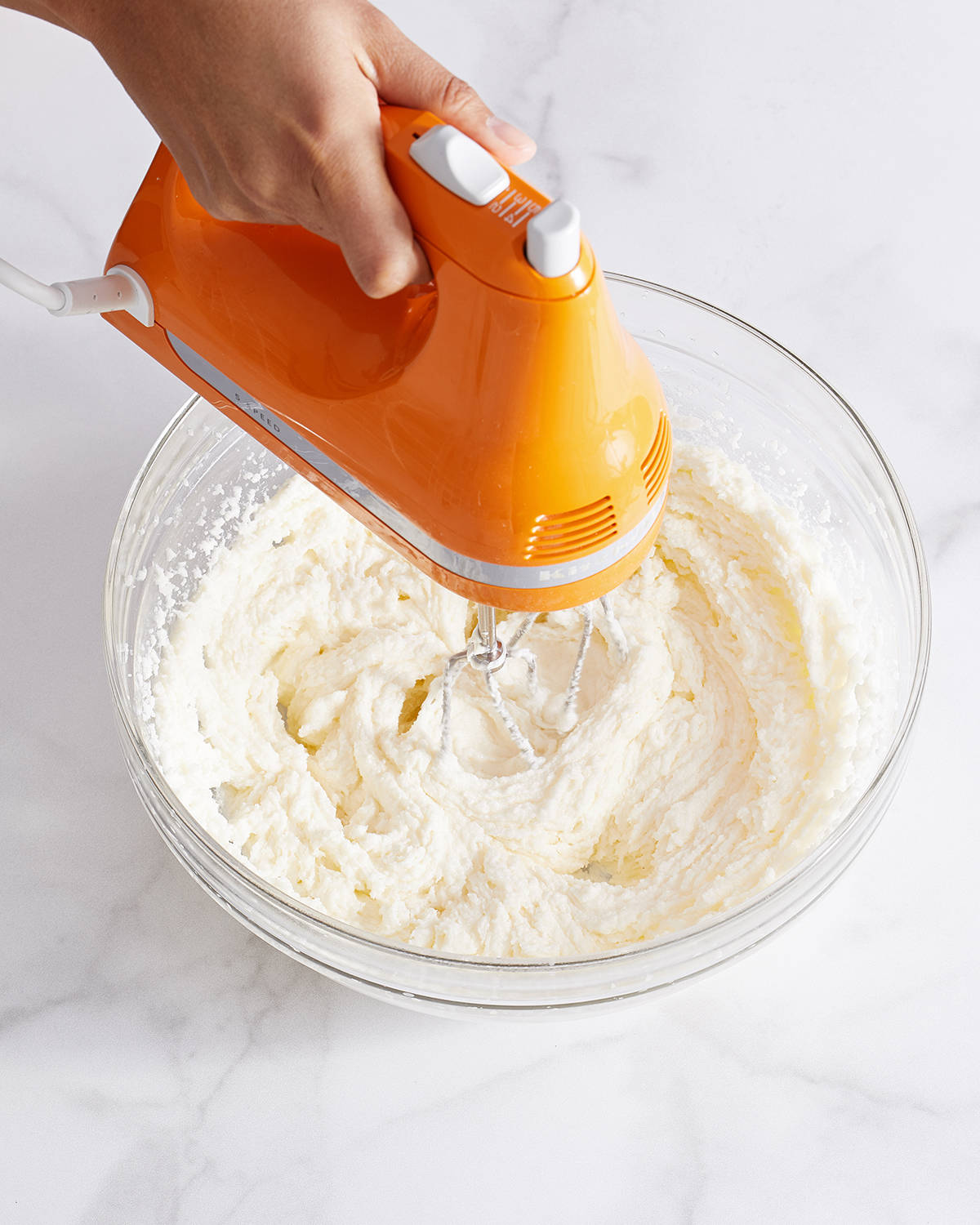

0 Comments:
Post a Comment